PIR CRYO

Cryogenic polyisocyanurate thermal insulation

Get your special offer
PIR CRYO is used for insulation:
  • Low-temperature pipes, criminal and bends
  • Tanks and vessels
  • LNG regasification terminals
  • Gas tankers

Advantages of PIR CRYO cryogenic insulation

  • Low cost
    The minimum thermal conductivity coefficient of PIR CRYO allows you to reduce the calculated volume of the insulating material by 2 times compared to foam glass. And the cost of PIR CRYO with comparable characteristics is on average 4 times less
  • Reduction of metal consumption
    Light weight and half the thickness of PIR CRYO insulation compared to foam glass allows you to significantly reduce the metal consumption of the pipeline. Taking into account the much smaller weight and volume of PIR CRYO insulation, the delivery of material (both insulation and metal) to the facility is several times cheaper
  • Effective reduction of heat flow
    The record-low thermal conductivity of PIR CRYO and its near-zero vapor permeability, even for foamy polymer materials, make it possible to effectively combat heat influx, significantly reducing gas transportation costs. Reduction of heat flow by 96% compared to an uninsulated pipeline
  • Protection from CUI
    PIR CRYO reliably protects pipeline elements from corrosion under insulation (CUI) without passing moisture and without destroying the AKZ. PIR is a chemically inert non-abrasive material, it does not form acidic compounds, the chloride content is no more than 60 mg/kg. (CUI) is the cause of 40-60% of pipeline maintenance costs
  • Easy and fast installation
    It is possible to mount PIR CRYO faster, easier and up to 30% cheaper than foam glass. This is achieved due to its low weight, smaller thickness and larger segment format. The consumption of equipment, clamps and mastics is noticeably reduced. The material is absolutely not brittle, it does not form chips both during transportation and during installation
  • Durability and easy maintenance
    The service life of the PIR CRYO without loss of useful characteristics is more than 25 years. The period of maintenance-free operation of the pipeline with PIR CRYO systems is increased due to the resistance of the material to mechanical damage. In addition, even if mechanical insulation damage occurs, the level of maintainability is extremely high

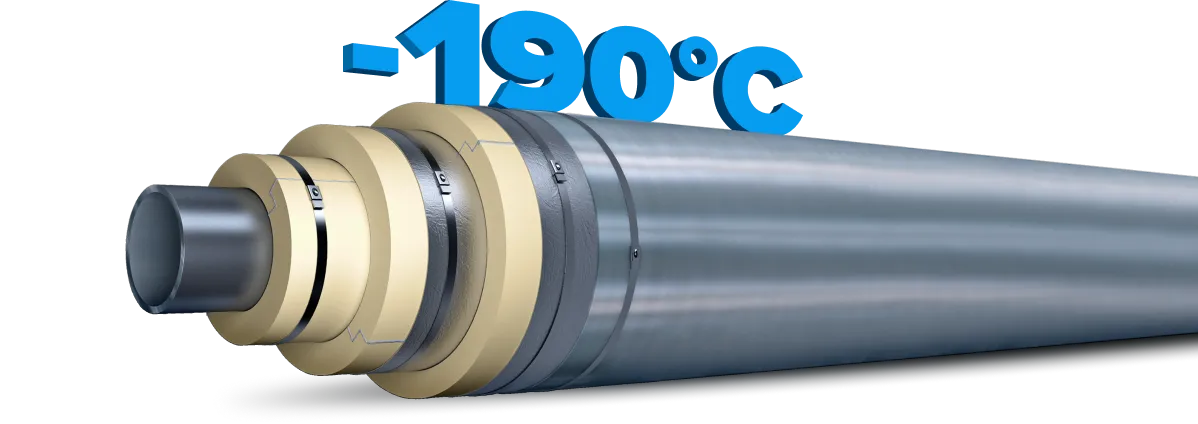
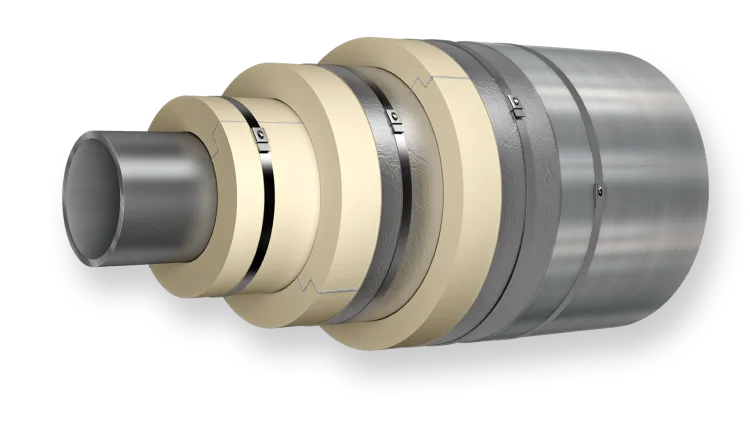
PIR CRYO three-layer thermal insulation system for low-temperature processes

A special line of polyisocyanurate segments and half cylinders designed to insulate pipelines, tanks and vessels operating at extremely low temperatures.‍Polyisocyanurate (PIR) is a fire resistant cellular polymer obtained by chemical reaction, with an extremely low thermal conductivity coefficient. Each cell of the material is filled with a permanent gas, pentane, whose thermal conductivity is lower than that of air. Due to its structure, the material does not support combustion and does not absorb moisture.
  • Operating temperature range: -190 ... +150 ⁰С
  • Heat transfer coefficient: not more than 0.025 W/(m-K)
  • Combustibility group:
  • Density: 42.5 kg/m3
  • Chloride content: not more than 60 mg⁄kg

Products are available in the form of blocks (plates), segments, semi-cylinders, one-piece elbows, glued elbows, prefabricated elbows (assembled by the system of tongue and groove through dowels) and elements of other forms, which are made by machining insulation boards and PIR blocks.
The most promising thermal insulation systems for insulating pipelines during the construction of new LNG terminals in remote regions of Russia are systems based on polymer foam materials
Article "Comparison of Heat Insulation Systems for LNG Pipelines" Ivanov L.V., Anokhin A.V. All-Russian Scientific Conference "Innovative Development of LNG Production Technologies" Moscow, 2019.

Product line

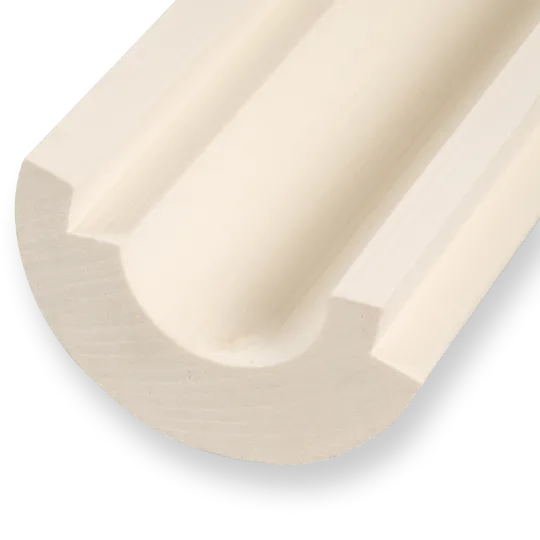
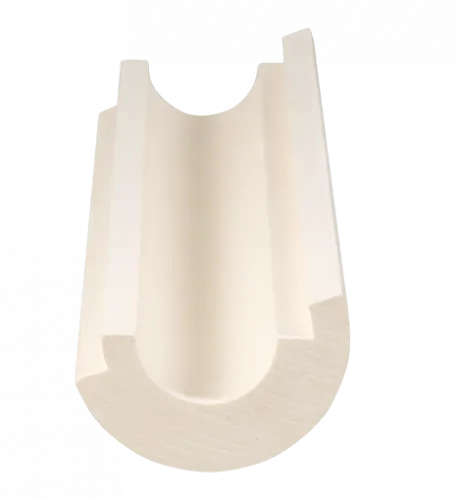
PIR CRYO segments

Polyisocyanurate semi-cylinders and segments for insulation of low-temperature pipes (including flanges and elbows), tanks and vessels.The product edge can be both straight and L-shaped.
  • Width: 600-1200 mm
  • Length: 600-3000 mm
  • Thickness: 20-200 mm
  • Inner diameter: 22-2036 mm
Order a sample

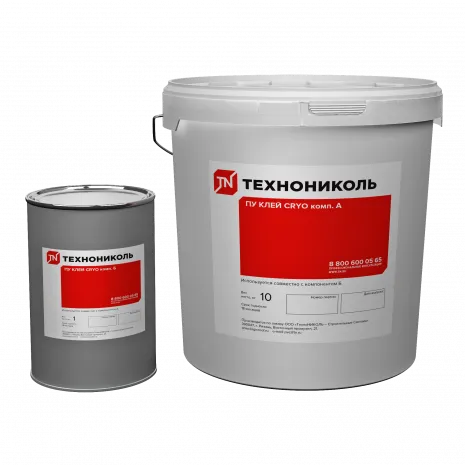
PU Glue CRYO (component A and B)

Used to glue PIR CRYO insulation segments together.

  • 1 kg can
  • 10 kg bucket
Order a sample

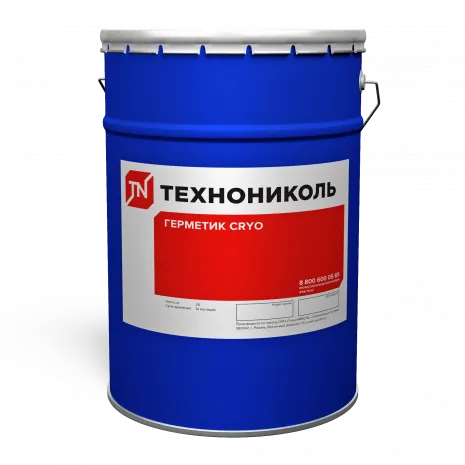
CRYO sealant

Used to seal the joints between segments of insulation PIR CRYO.

  • Bucket 25 kg
Order a sample

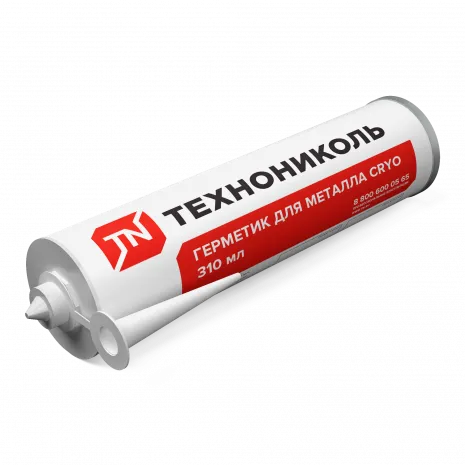
Cryo Metal Sealant

Sealant is used for sealing stainless steel and aluminum shells.Flexible, weatherproof.It has good adhesion to metal surfaces.

  • Volume: 310 ml
Order a sample

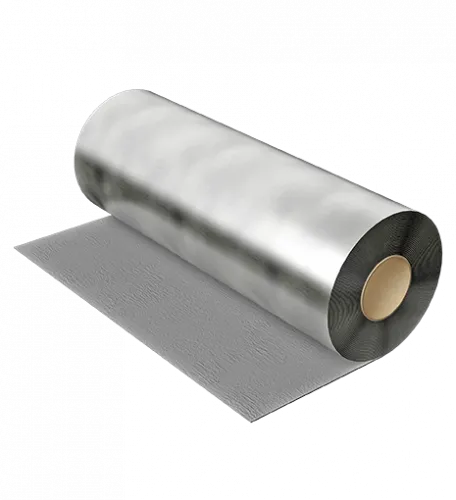
Primary vapor barrier Cryo

Self-adhesive aluminobutyl roll coating used for vapor barrier in the structures of aboveground pipelines.The coating is used together with a metal casing, which protects the coating from UV radiation. It is glued to the surface of the insulation by hand, without the use of a torch.
  • Width: 500mm
  • Length: 15m
Order a sample

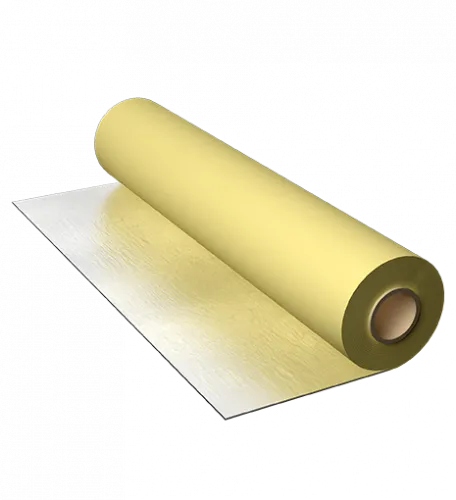
Secondary vapor barrier Cryo

Double-sided laminated aluminum foil polyester film (PET), designed for the vapor barrier of the first layer of cryogenic insulation PIR CRYO on the pipeline.
  • Width: 1030mm
  • Length: 100m
  • Thickness: 53 microns
Order a sample

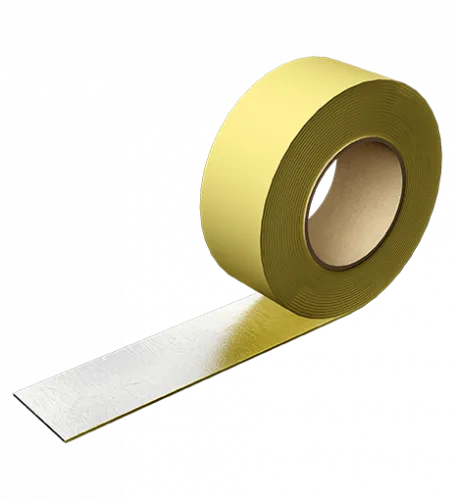
Cryo Aluminum Tape

Single-sided adhesive tape based on foil laminated with polyester film and acrylic adhesive of high moisture resistance, designed to glue the joints of the primary and secondary vapor barrier.

  • Width: 50mm
  • Length: 50m
Order a sample

Benefits of PIR CRYO cryogenic insulation

Features
  • Density, kg/m3
  • Thermal conductivity coefficient λ, W/m*K
  • Vapor permeability, g/(m*h)
  • Water absorption, % of volume
  • Compressive strength, kPa
  • Combustibility
  • Operating temperature
PIR CRYO
  • 42,5
  • 0,025
  • 0,8
  • 5
  • 200
  • -190…+150
Foam Glass
  • 100-160
  • 0,040-0,052
  • Steamproof
  • 2.5
  • 700
  • NG
  • -260…+430

FAQ

What are the advantages of PIR CRYO?

The advantages of PIR CRYO compared with alternative types of insulation is as follows:‍

- Less insulation volume;

- Savings on material;

- Savings on accessories;

- Easy installation;

- Durability;

How is PIR CRYO material stored?

PIR CRYO products should be stored sorted by grade and size in a dry, closed room at least 1 meter away from heating devices. It is allowed to store PIR CRYO products under a shelter that protects them from atmospheric precipitation and sunlight. It is allowed to store PIR CRYO products outdoors in special packaging that protects them from external atmospheric influences and sunlight for no more than 3 months. The storage area must be equipped with a system of water drainage during rainfall in order to avoid the possibility of soaking (wetting) of the material from below.

Where is PIR CRYO made?

PIR CRYO thermal insulation is produced in a factory that was launched in 2015. The plant is located in Ryazan and is one of the largest in Europe. The production capacity is 15 000 000 m2 of products per year. PIR production line combines the highest European standards in terms of speed parameters, product quality, processing and packaging capabilities.

Is there any experience of using PIR CRYO in Russia?

Currently, there is experience in supply and installation of PIR CRYO for the Arctic LNG 2 project. The project involves the construction of three processing lines to produce liquefied natural gas (LNG) with a total capacity of 19.8 million tons per year and stable gas condensate up to 1.6 million tons per year.

What is the service life of PIR CRYO material?

Conditional life of the insulation of rigid polyisocyanurate foam is at least 50 years.

Order free samples of PIR CRYO

Leave your contacts, our specialist will contact you to discuss the details
By clicking the button, you consent to the processing of your personal data
Thank you! Your submission has been received!
Oops! Something went wrong while submitting the form.